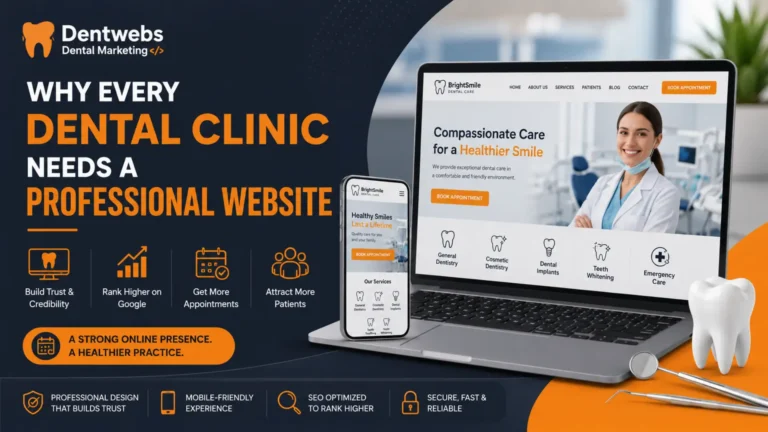
Building Responsive Dental Websites
In today’s digital-first world, your dental website is often the first interaction potential patients have with your practice. If your site isn’t optimized for every device, you’re losing opportunities—plain and simple. Building responsive dental sites is no longer optional; it’s essential for attracting, engaging, and converting patients across the United States of America.
This guide will walk you through how responsive dental websites directly impact patient growth—and how you can leverage them to strengthen your online presence.
What Are Responsive Dental Sites?
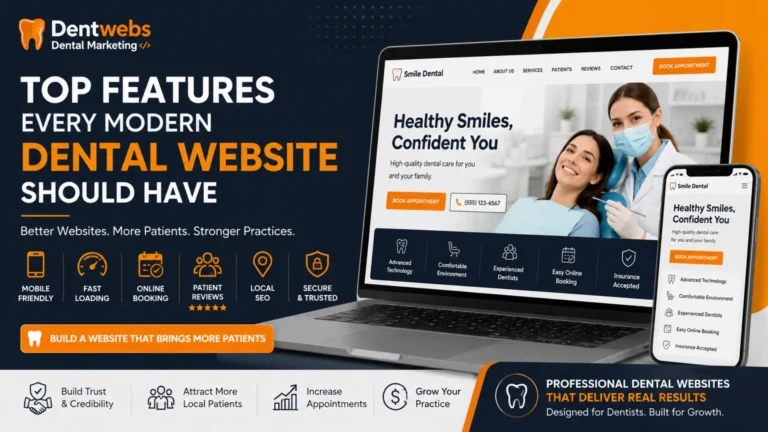
Responsive dental sites are websites designed to automatically adjust their layout, images, and functionality based on the device being used—whether it’s a smartphone, tablet, or desktop.
For dental practices, this means:
- Seamless navigation on mobile devices
- Fast-loading pages
- Clear visibility of services and contact information
- Easy appointment booking
In a country where over 60% of local searches happen on mobile, a responsive site directly affects how many patients choose your practice.
Why Responsive Web Design Matters for Dentists
1. Patients Expect a Smooth Mobile Experience
Most patients search for dental services while on the go. If your website is difficult to navigate on mobile, they will leave—and likely choose a competitor.
A responsive design ensures:
- Easy-to-read content
- Click-to-call buttons
- Fast appointment scheduling
2. Better Search Engine Rankings
Search engines prioritize mobile-friendly websites. If your site isn’t responsive, it can negatively impact your rankings for important keywords like “dentist near me” or “family dentist in [city].”
Responsive dental sites improve:
- SEO performance
- Page speed
- User engagement metrics
3. Higher Conversion Rates
A well-designed responsive site guides visitors toward taking action.
Whether it’s:
- Booking an appointment
- Calling your office
- Filling out a contact form
A responsive design removes friction and increases conversions.
Key Features of High-Converting Responsive Dental Websites
1. Mobile-First Design
Designing for mobile first ensures that your most important content is always accessible.
2. Fast Loading Speed
Patients won’t wait. If your site takes more than 3 seconds to load, you risk losing visitors.
3. Clear Call-to-Action (CTA) Buttons
Your website should guide patients with clear, visible CTAs.
Examples:
- Book Your Appointment Today
- Call Now for Immediate Assistance
- Get a Free Website Audit
4. Easy Navigation
A simple menu structure helps users quickly find:
- Services
- About the practice
- Contact information
5. HIPAA-Compliant Forms
For practices in the United States, compliance is critical. Secure forms build trust and protect patient data.
Common Mistakes to Avoid
Even experienced practitioners often overlook key elements when building responsive dental sites.
Avoid these mistakes:
- Using outdated website designs
- Ignoring mobile usability
- Overloading pages with large images
- Not optimizing for local SEO
- Missing clear CTAs
How Responsive Design Impacts Patient Growth
A responsive dental website doesn’t just look good—it drives measurable results.
You can expect:
- Increased patient inquiries
- More phone calls
- Higher appointment bookings
- Improved online reputation
In competitive dental markets across the United States, these advantages can significantly impact your practice’s growth.
Why Dentists Choose Specialized Agencies
General marketing agencies often miss the nuances of dental marketing. A specialized approach ensures your website is designed with patient behavior, compliance, and conversion in mind.
At Dentwebs, we focus exclusively on dentists, which allows us to:
- Target the right keywords
- Design conversion-focused websites
- Optimize for local patient acquisition
- Deliver measurable ROI